Peanut butter has long been a pantry staple in many households. From classic peanut butter and jelly sandwiches to smoothies and baked goods, it has been a familiar go-to spread for generations. But in recent years, more people have started looking beyond peanut butter and discovering another delicious option: almond butter.
Part of this shift comes from a growing interest in clean ingredients and thoughtfully sourced food. Today's shoppers want to understand where their food comes from and how it's made. They are reading labels more carefully, looking for simple ingredient lists, and choosing products that support sustainable farming practices.
Almond butter fits naturally into cleaner eating. Made from nutrient-rich almonds, it offers a rich flavor, smooth texture, and a versatile way to add healthy fats and plant-based protein to everyday meals and snacks.
Let's take a closer look at almond butter vs peanut butter and why so many people are choosing almond butter today.
Almond Butter vs Peanut Butter - What's the Difference?
At first glance, almond butter and peanut butter may seem very similar. Both are creamy spreads made by grinding nuts into a smooth or crunchy consistency. Both are commonly used on toast, in sandwiches, blended into smoothies, or enjoyed straight from the spoon.
However, when you look a little closer, there are several important differences that set them apart.

Flavor Differences
Flavor is one of the most noticeable differences when comparing almond butter vs peanut butter.
Peanut butter has a bold, familiar flavor that many people associate with classic sandwiches and snacks. Its taste is slightly earthy and savory, and many commercial peanut butters include added sugar or salt that further shapes the flavor.
Almond butter tends to have a milder, naturally sweet and nutty flavor. When almonds are roasted and ground into butter, the result is a rich taste that many people describe as slightly sweeter and more complex than peanut butter.
Texture and Consistency
Another difference between almond butter and peanut butter is texture.
Peanut butter is often very smooth and uniform, especially when stabilizers, like vegetable oil, are added to prevent oil separation. Many large brands process peanut butter to create a consistent texture that stays the same throughout the jar.
Almond butter tends to have a slightly thicker texture and may naturally separate over time since it often contains fewer additives.
Both peanut butter and almond butter are available in smooth and crunchy varieties, but almond butter is often considered to have a slightly richer mouthfeel.
Ingredient Simplicity
One of the biggest practical differences between almond butter and peanut butter can be the ingredient list.
Many peanut butter brands contain additional ingredients such as:
- Added sugar
- Hydrogenated oils
- Palm oil
- Stabilizers to prevent separation
These ingredients are added to improve shelf life, texture, and flavor.
Almond butter products, particularly those focused on clean ingredients, are often made with just almonds. In these cases, the natural oils from the almonds create a creamy texture without the need for added oils or preservatives.
This difference in ingredient simplicity is one reason many shoppers are starting to compare almond butter vs peanut butter more closely when choosing spreads for their kitchens.
Food Allergies

Peanut allergies are another important reason many people are choosing almond butter over peanut butter.
Peanut allergies are one of the most common food allergies. For individuals and families managing peanut allergies, finding safe and reliable alternatives is essential. Almond butter provides a delicious option that allows people to enjoy a nut-based spread without the risks associated with peanuts.
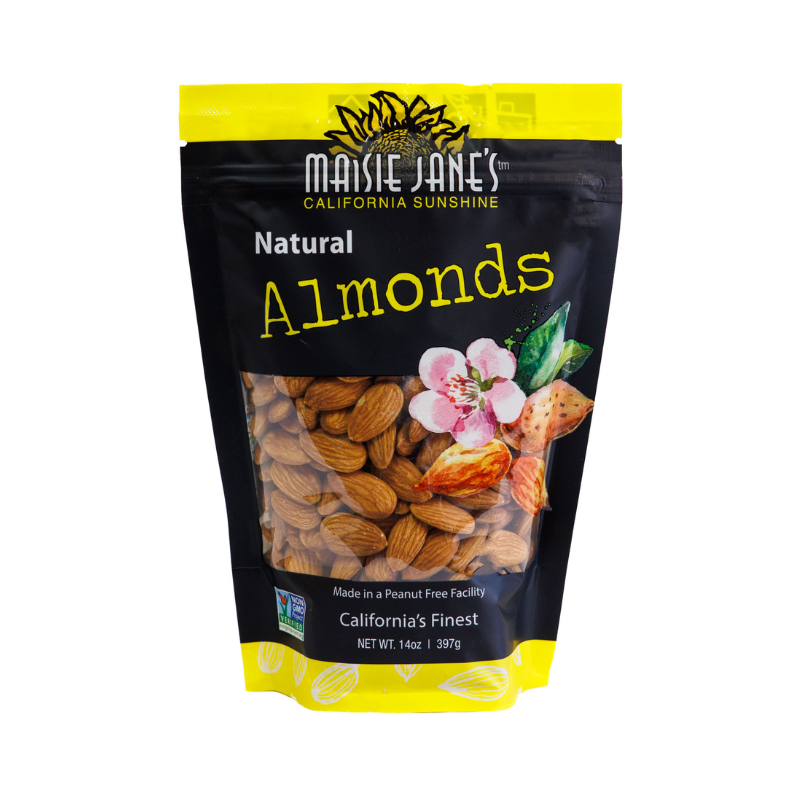
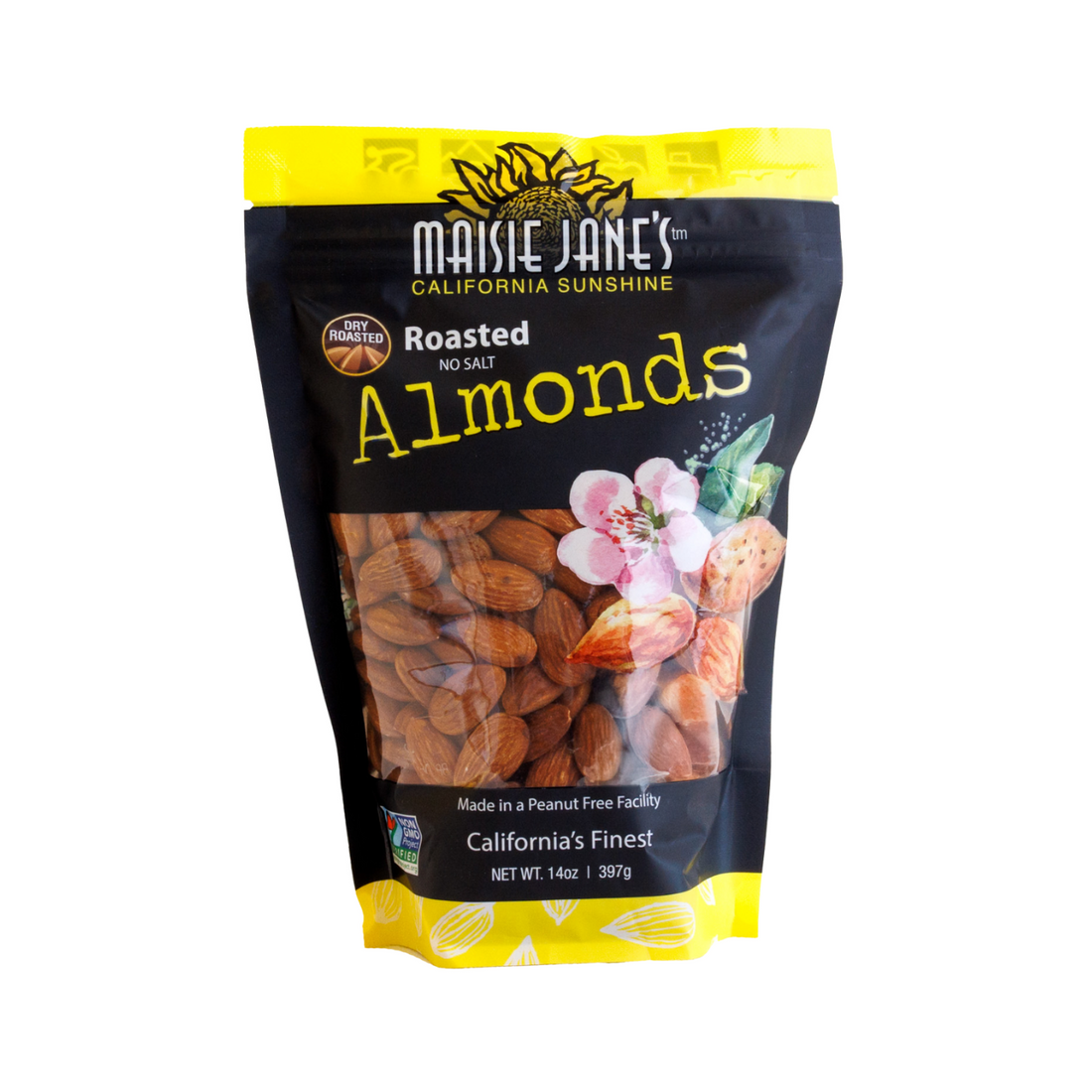
At Maisie Jane's, all products are made in a dedicated peanut free facility. This provides an added layer of confidence for those with peanut allergies or sensitivities, making it easier to enjoy almond butter safely at home or on the go.
Nutrition Comparison
When comparing almond butter vs peanut butter, nutrition is another factor people consider. Both spreads offer plant-based protein, healthy fats, and important nutrients that can support an active and balanced lifestyle.
However, there are a few key nutritional differences worth noting.
Almond Butter Nutrition Highlight
Almond butter is often praised for its nutrient density. Almonds naturally contain several vitamins and minerals that support overall health.
Some of the standout nutrients in almond butter include:
- Vitamin E, an antioxidant that supports skin health and immune function
- Magnesium, which helps with muscle function and energy production
- Fiber, which supports digestion and helps you feel full longer
- Heart-healthy monounsaturated fats
These nutrients make almond butter a popular choice for people who want a satisfying snack that also delivers nutritional benefits.
Peanut Butter Nutrition Highlight
Peanut butter is also a nutrient-rich spread and has long been a popular pantry staple. Peanuts provide plant-based protein, healthy fats, and several important vitamins and minerals that support everyday nutrition.
Some of the key nutrients found in peanut butter include:
- Protein, which supports muscle maintenance and energy
- Niacin (Vitamin B3), which helps convert food into energy
- Potassium, which plays a role in heart and muscle function
Peanut butter is often slightly higher in protein per serving than almond butter, which is one reason it has traditionally been popular among athletes and active individuals.
However, the overall nutritional value can vary depending on the product. Many peanut butter brands include added ingredients that make peanut butter a non-healthy choice.
Clean Ingredients Make a Difference
One of the biggest reasons people are choosing almond butter today has nothing to do with the nut itself. It has to do with the ingredient list.
Many conventional peanut butters contain several added ingredients designed to improve texture, extend shelf life, or create a sweeter flavor. It is common to see ingredients like:
- Added sugars
- Hydrogenated oils
- Palm oil
- Stabilizers or emulsifiers
While these ingredients help create a uniform product, they move the food further away from its natural form.
Almond butter, especially when produced by companies focused on clean food, is often much simpler.
At Maisie Jane's, the plain almond butter is made with just one ingredient: dry roasted California almonds. There are no added oils, sugars, preservatives, or artificial flavors. The almonds are carefully roasted to bring out their natural sweetness and then ground into a smooth or crunchy butter.
Even the flavored almond butters are chosen with clean ingredients so you can enjoy fun new flavors without the guilt.

Sustainable Farming and Bee-Friendly Almond Orchards
Another important factor in the almond butter vs peanut butter conversation is how the nuts are grown.
Almonds are primarily grown in California, where farmers have spent generations refining their orchard practices. Responsible almond farming focuses on protecting soil health, conserving water, and supporting the pollinators that make almond production possible.
Bees play a vital role in almond orchards. Each spring, bees pollinate almond blossoms so that the trees can produce nuts that eventually become almond butter. Because of this close relationship, many almond growers actively support pollinator-friendly practices that help protect bee populations.
At Maisie Jane's, bee-friendly farming is an important part of the company's values. The farm supports pollinator protection and works with organizations like the Xerces Society to promote healthy habitats for bees and other beneficial insects.
Water conservation is also a priority in modern almond farming. Efficient irrigation systems allow farmers to carefully monitor and manage water usage so that orchards remain productive while protecting natural resources.
Choosing almond butter from farms that prioritize sustainability helps support a food system that values both quality and environmental responsibility.
Why Choose Almond Butter from a Family Farm
Beyond flavor and nutrition, another important factor in the almond butter vs peanut butter conversation is where the ingredients come from.
Many consumers today are paying closer attention to how their food is grown and produced. Choosing products from farms that prioritize responsible growing practices helps support both environmental sustainability and long-term food quality.
At Maisie Jane's, almond butter begins with almonds grown in Northern California. These orchards benefit from a climate that is ideal for producing high quality almonds, with warm sunshine, rich soil, and careful water management.
Family farms often bring generations of knowledge and experience to their orchards. Farmers who work the same land year after year understand how to maintain soil health, protect pollinators, and care for their trees so they continue producing almonds for decades.
Bee-friendly farming is especially important in almond orchards. Almond trees depend on pollination to produce nuts, which makes healthy bee populations essential to the growing process. Supporting pollinator-friendly practices helps ensure the long-term health of both orchards and ecosystems.
Maisie Jane's also prioritizes clean processing methods. Almonds are steam pasteurized rather than fumigated with chemicals, and the nuts are dry roasted without added oils before being turned into almond butter.
This commitment to thoughtful farming and simple processing results in almond butter that reflects the quality of the almonds themselves.
For many shoppers, knowing the story behind their food makes the choice between almond butter vs peanut butter even clearer.
Explore Maisie Jane's Nut Butters
Our Favorite Almond Butter Picks from Maisie Jane's
If you're ready to explore the difference for yourself, Maisie Jane's offers several almond butter options that highlight the flavor and quality of California almonds.
Each jar is made with carefully dry roasted almonds and simple ingredients so the natural taste of the nut shines through.
Organic Smooth Almond Butter
Maisie Jane's Organic Smooth Almond Butter is made from just one ingredient: organic dry roasted California almonds.
The almonds are roasted in small batches to bring out their natural sweetness, then ground into a creamy, spreadable texture. With no added oils, sugar, or preservatives, this almond butter offers a clean ingredient list and a rich nut flavor.
It's perfect for spreading on toast, blending into smoothies, stirring into oatmeal, or adding to baked goods.

Organic Crunchy Almond Butter
For those who enjoy a little texture, Organic Crunchy Almond Butter adds roasted almond pieces for a satisfying crunch.
Like the smooth variety, it's made from organic dry roasted almonds without added oils or artificial ingredients. The small, diced almonds provide a pleasant texture that makes it ideal for yogurt bowls, granola toppings, or enjoying straight from the spoon.
Both options highlight the quality of the almonds themselves while offering a simple and wholesome way to enjoy almond butter at home.

Easy Eat Classic Almond Butter Squeeze Pouch
For those who want clean, simple nutrition on the go, the Easy Eat Classic Almond Butter Squeeze Pouch offers the same high-quality almond butter in a convenient, mess-free format.
Made with just one ingredient, dry roasted California almonds, this almond butter delivers the same rich flavor and smooth texture you expect from Maisie Jane's, now in a portable pouch you can take anywhere.
Designed for everyday convenience, this squeeze pouch makes it easy to enjoy almond butter without needing a spoon or jar. Whether you are heading to work, packing lunches, or fueling up after a workout, it is a simple way to enjoy wholesome snacking wherever life takes you.

Almond Butter vs Peanut Butter...Which Should You Choose?
When comparing almond butter vs peanut butter, both spreads can have a place in a balanced diet. Each offers protein, healthy fats, and versatility in the kitchen.
However, almond butter has become increasingly popular for several reasons. Many people appreciate its naturally rich flavor, simple ingredient lists, and the sustainable farming practices behind California almonds.
For many families, the choice also comes down to safety. With peanut allergies affecting millions of Americans, almond butter offers a trusted alternative, especially when produced in a dedicated peanut free facility like Maisie Jane's.
For those looking for a spread made from clean ingredients and carefully grown nuts, almond butter is the choice that checks all the boxes.
At Maisie Jane's, every jar of almond butter reflects generations of farming experience, thoughtful processing, and a commitment to quality.
If you're ready to experience the difference for yourself, explore Maisie Jane's collection of almond butters and discover why more people are making the switch.