Almonds may be small, but there is much more behind their familiar crunch than you might expect. From the way they grow in California orchards to the nutrients packed inside every handful, almonds have a fascinating story.
You may already enjoy almonds as an afternoon snack or keep a jar of almond butter in your pantry, but how much do you really know about what you're eating?
These almond facts explore what makes this small nut so unique. We'll also take a closer look at almond nutrition and almond butter nutrition to help you better understand what's inside some of your favorite almond products.
Here are 10 almond facts worth knowing.
1. The Almond You Eat Is Actually a Seed
Here's one of our favorite almond facts: botanically speaking, the almond we eat is a seed.
Almonds grow on trees as part of a fruit called a drupe. If you've ever seen an almond growing in an orchard, you know it looks very different from the almonds you find in a bag at the store.
The fruit has an outer hull surrounding a hard shell. Inside that shell is the kernel, or seed, that we know as an almond. It's somewhat similar to a peach, which makes sense because almonds and peaches both belong to the Prunus genus.
As the almond matures, its outer hull begins to dry and split open. This hull split is an important sign that harvest season is approaching.

2. About 23 Almonds Make Up a One-Ounce Serving
When you're looking at almond nutrition, it helps to know what a typical serving looks like.
A one-ounce serving is approximately 23 almonds. Almonds also provide a combination of protein, fiber, unsaturated fats, vitamins, and minerals.
A serving of almonds provides approximately 6 grams of protein and more than 3 grams of dietary fiber. Almonds are also particularly notable for nutrients including vitamin E and magnesium.
That combination is a reason almonds are so easy to incorporate into everyday healthy snacking. They don't require preparation, travel easily, and can be paired with fruit, cheese, yogurt, or other foods for a more substantial snack.
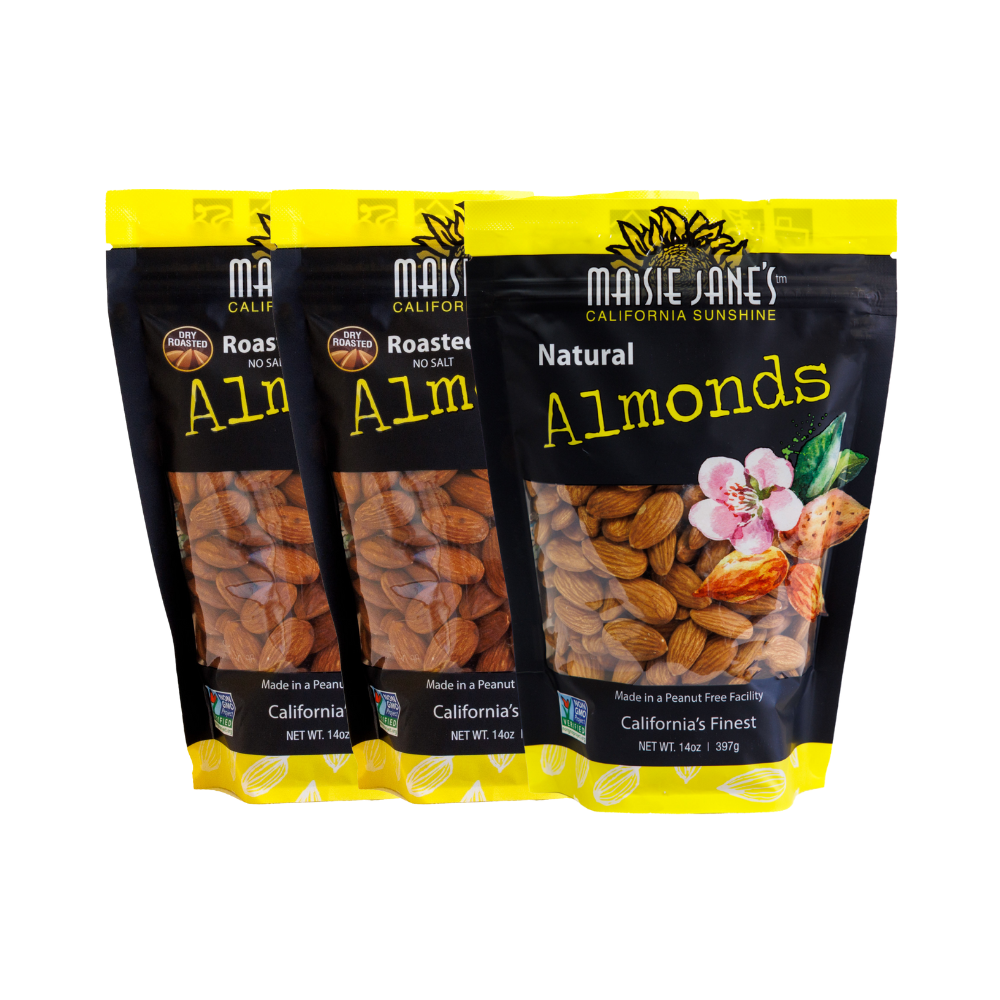
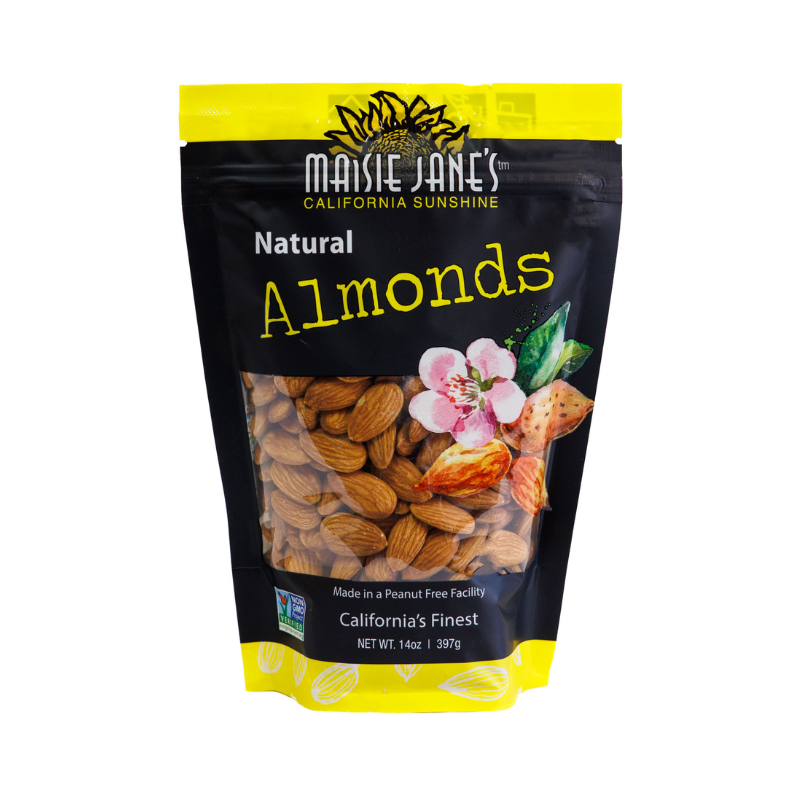
Maisie Jane's Natural Raw Whole Almonds keep things especially simple and delicious. Enjoy a handful on their own, add them to homemade trail mix, or keep some nearby for an easy snack during a busy day.
Shop Maisie Jane’s Almond products.

3. Most of the Fat in Almonds Is Unsaturated
The word "fat" on a Nutrition Facts label doesn't tell the entire story. Different types of dietary fat have different nutritional characteristics.
According to USDA nutrient data, most of the fat naturally present in almonds is unsaturated fat, with monounsaturated fat making up the largest portion.
The American Heart Association recommends replacing foods high in saturated and trans fats with foods containing monounsaturated and polyunsaturated fats as part of a heart-healthy dietary pattern.
This is an important distinction when exploring almond nutrition. Instead of focusing exclusively on the total grams of fat in a serving, looking at the types of fat provides a more complete picture of what almonds contain.

4. Almonds' Nutrients Carry Over into Almond Butter
Whole almonds aren't the only way to enjoy their nutritional benefits. Grind roasted almonds into a creamy spread, and you get another pantry favorite: almond butter.
Because almond butter is made primarily from almonds, many of the nutrients naturally present in almonds are also present in almond butter. When looking at almond butter nutrition, you'll find nutrients such as protein, fiber, unsaturated fats, vitamin E, and magnesium.
However, not every almond butter is made the same way.
Ingredient lists can vary significantly between brands. Some almond butters contain added sweeteners, oils, salt, or other ingredients.
Maisie Jane's Organic Smooth Almond Butter takes a particularly simple approach. It's made with one ingredient: organic dry roasted California almonds. There are no added oils, preservatives, or unnecessary ingredients.
Prefer a little texture? Maisie Jane's Organic Crunchy Almond Butter also starts with organic dry roasted California almonds, with diced fire-roasted almonds blended in for extra crunch.
That's why one of the most useful almond facts for shoppers may be one of the simplest: when you're comparing almond butter nutrition, don't stop at the front of the jar. Turn it around and see what's actually inside.

5. Bees Play an Important Role During Almond Bloom
Long before harvest equipment enters an almond orchard, another important event takes place: almond bloom season.
California almond trees typically bloom in late winter, covering orchards with pale pink and white blossoms. During this period, bees play an important role in pollinating almond flowers.
Many traditional almond varieties require pollen from a compatible variety to produce a crop, although self-fertile almond varieties are also grown today. Almond growers work with beekeepers to bring honey bee colonies into orchards during bloom to support pollination.
That makes bees an essential part of the story behind many of the almonds we eventually eat.
For Maisie Jane's, caring for the orchard means thinking beyond the almond trees themselves. Bee-friendly farming practices help support the pollinators that play such an important role during this stage of the growing season.
6. California Is the Center of U.S. Almond Production
California accounts for essentially all commercial almond production in the United States. The state's Central Valley provides the Mediterranean-type climate that almond trees need, with mild, wet winters and hot, dry summers.
Behind those numbers are farming families who have spent generations learning how to grow the crop.
Maisie Jane's story is part of that larger California almond tradition. The family has been farming almonds in Northern California for four generations, and Maisie Jane began her own business in 1993.
This connection to the orchard is important because Maisie Jane's doesn't simply create products that happen to contain almonds. Almond farming is part of the family's history and continues to shape how the company approaches quality today.
7. Almonds Have Several Protective Layers Before Harvest
The almond you buy at the store has already gone through quite a transformation.
While growing on the tree, the almond kernel is surrounded by a hard shell, which is itself surrounded by an outer hull. As the crop matures, that hull dries and begins to split.
Once the almonds are ready, specialized equipment shakes them from the trees. The almonds then dry further on the orchard floor before they're swept into rows, known as windrows, and collected by pickup equipment.
After leaving the orchard, almonds go through hulling and shelling to remove the outer portions and reveal the familiar kernel inside.
It's one of the most visually interesting almond facts because the almond growing on a tree looks so different from the finished food most of us recognize.
Want to see the process in more detail? Read our guide to How Are Almonds Harvested? for a closer look at California almond harvest season.
8. Dry Roasting Almonds Doesn't Require Added Oil
"Roasted Almonds" doesn't necessarily mean "roasted in oil."
Dry roasting uses heat to roast the almond without adding cooking oil to the process. As almonds roast, heat develops their flavor and changes their texture, creating the familiar crunch and rich roasted taste many almond lovers prefer.
At Maisie Jane's, almonds are dry roasted without added roasting oils using traditional barrel-style fire roasters.
This process is also important when we're talking about almond butter nutrition. Maisie Jane's one-ingredient almond butters begin with dry roasted almonds, so additional roasting oils aren't necessary before the almonds are ground into almond butter.
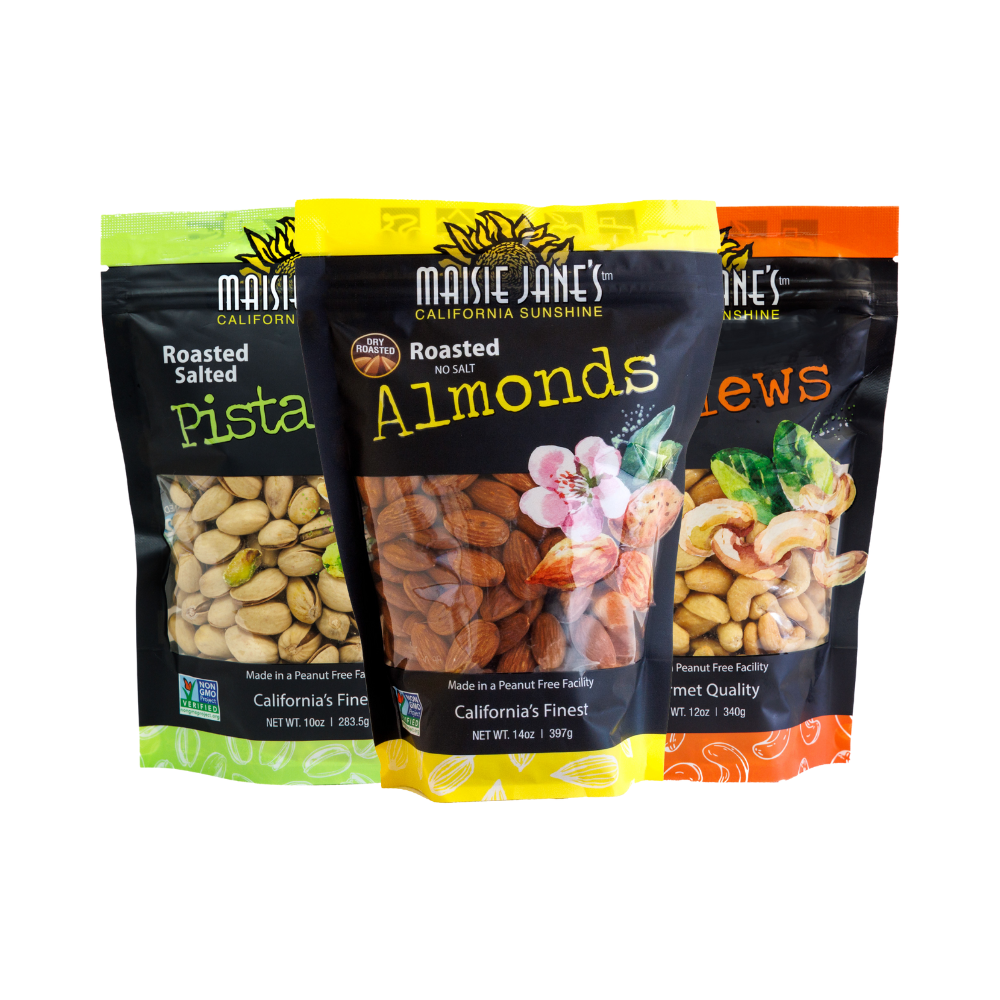
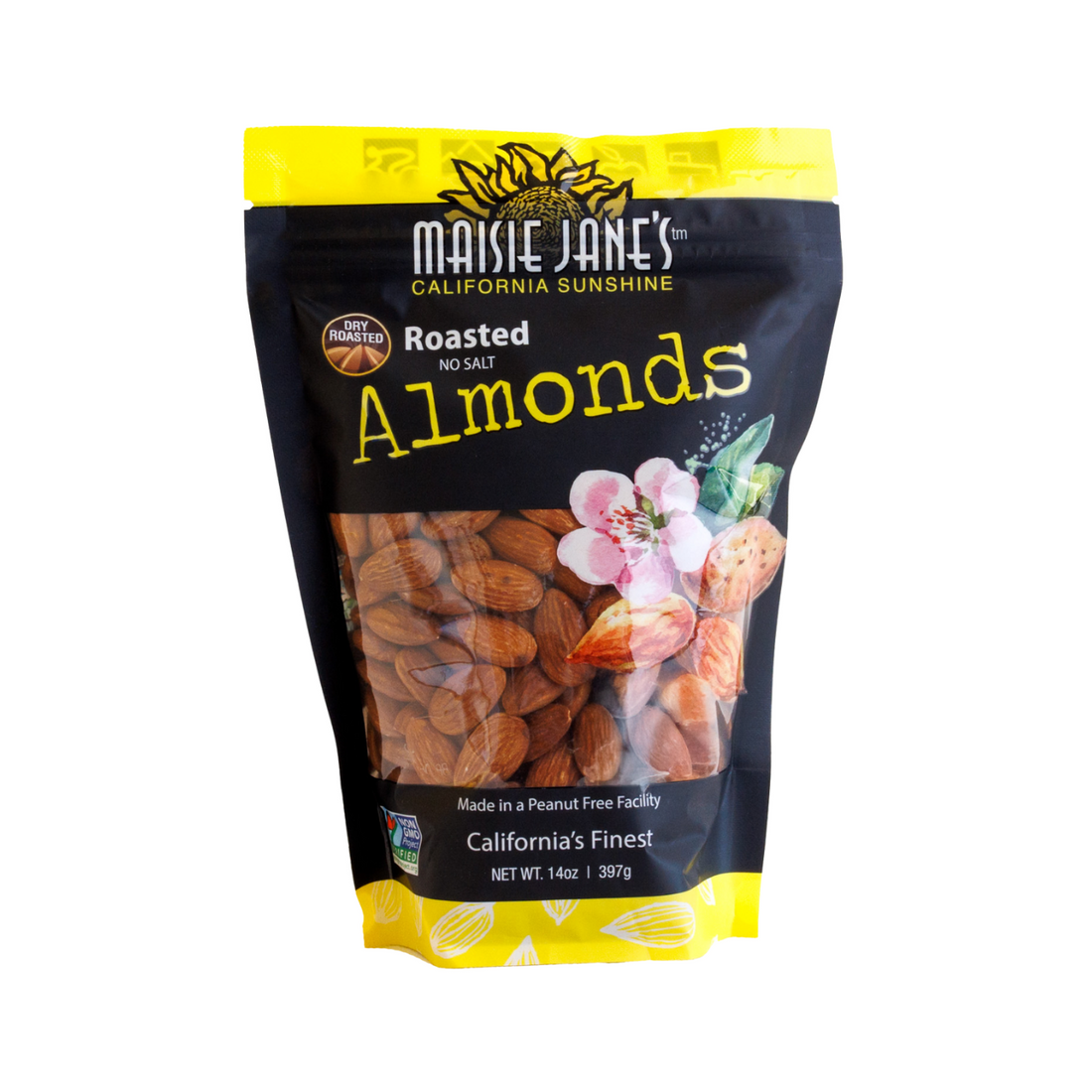
The roasting process is also one reason Maisie Jane's whole roasted almonds taste so different from raw almonds. If you'd like to experience that difference for yourself, try Maisie Jane's Roasted Almonds alongside the Natural Raw Whole Almonds and compare their flavor and texture.
9. The Kernel Isn't the Only Useful Part of an Almond

Remember the hull and shell surrounding the almond kernel?
They don't get thrown away once the edible almond has been removed.
Almond hulls have long been used as an ingredient in livestock feed, particularly for dairy cattle. Almond shells can also have secondary uses, including livestock bedding and other agricultural applications. The Almond Board of California continues to research additional uses for almond coproducts as part of the industry's sustainability efforts.
10. Almonds Can Take Many Different Forms
Here is a simple fact, almonds are incredibly versatile.
Whole almonds can be enjoyed raw or dry roasted. They can be seasoned for savory snacking, paired with sweet flavors, chopped and sprinkled over other foods, or ground into almond butter.
That versatility also gives you plenty of ways to incorporate almond nutrition into foods you already enjoy. Add whole almonds to oatmeal or yogurt, sprinkle chopped almonds over a salad, pair them with fruit, or enjoy almond butter on toast.
Here are some Maisie Jane's products that let you enjoy variations of this versatile nut:
- Natural Raw Whole Almonds
- Roasted Almonds
- Organic Smooth Almond Butter
- Organic Crunchy Almond Butter
- Easy Eat Classic Almond Butter Squeeze Pouch
- Easy Eat Banana Almond Butter Squeeze Pouch
- Herb & Garlic Almonds
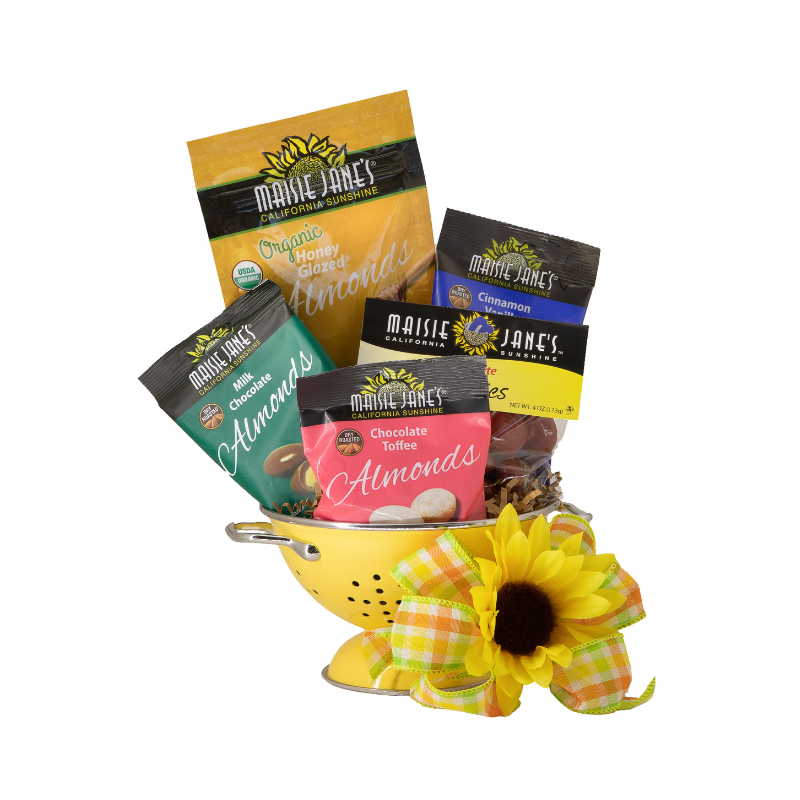
- Organic Honey Glazed Almonds
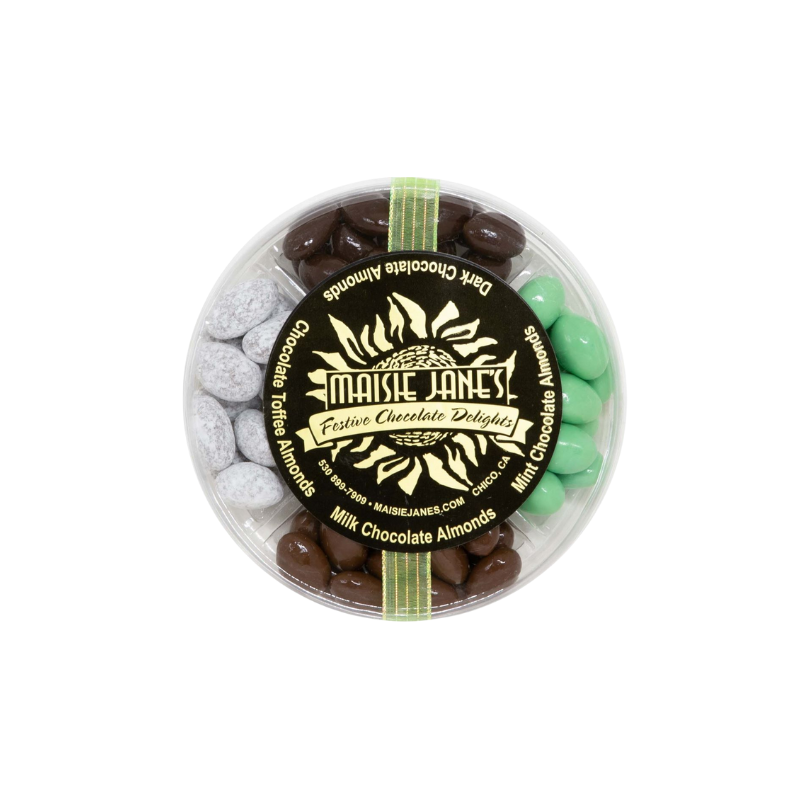
- Assorted Nut Trays
There's Always More to Learn About Almonds
From discovering that the almond we eat is actually a seed to learning about almond nutrition, pollination, harvest, dry roasting, and almond butter nutrition, these 10 almond facts show just how much goes into such a small food.
For Maisie Jane's, that story is personal. Four generations of almond farming have created a connection to almonds that begins long before a finished product reaches the pantry.
Whether you prefer almonds raw, roasted, seasoned, or transformed into creamy almond butter, every bite has a story that starts in the orchard.
Explore Maisie Jane's California almonds and almond butters and find a new favorite for your pantry.